













Logo

Roospin Login In 2026

A practical look at account entry, recovery, payments, support, and safer play for readers in Australia in 2026.

Slot Fortune Gems 2

Table of Contents

  • The Dog House Megaways Slot
  • Lucky Joker 10 Extra Gifts Slot
  • Sword of Ares Slot
  • Floating Dragon Hold & Spin Slot
  • Leprechaun Riches Slot
  • Fruit Coctail Slot
  • The Dog House Megaways Slot
  • Sword of Ares Slot
  • Fruit Million Slot
  • The Dog House Megaways Slot
  • Fruit Box Slot
  • Big Fisherman Slot
  • Seven Books Unlimited Slot
  • Roospin Fortune Slot
  • Sword of Ares Slot
  • Floating Dragon Hold & Spin Slot
  • 9 Mad Hats Slot
  • Floating Dragon Hold & Spin Slot
  • Big Bass Splash Slot

Roospin Casino Login Australia And First Steps

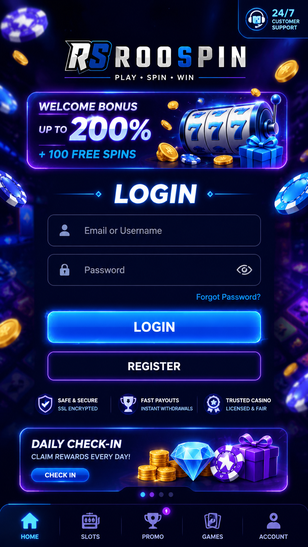
Most readers want the same thing from an account portal - a clean path from the welcome screen to the lobby. In 2026, that usually means checking the form, entering the right contact detail, and passing one security step without guessing. Imagine you open the platform after work and want to start a short session, not troubleshoot for fifteen minutes. The smart approach is simple: confirm the sign-in field, type slowly, and make sure you are using the same email or phone number you used at registration.

login 1

The first delay often comes from tiny mistakes, not system problems. Players switch devices, use an old saved password, or let a phone auto-correct an address. When that happens, the page can look broken even though the mismatch is on the user side. It helps to refresh once, not repeatedly, and check whether a verification prompt has appeared elsewhere on the device.

Why Roospin Login Australia Works Better With Prep

A little preparation removes a surprising amount of friction. If you usually play on mobile, make sure the keyboard is not changing your entry and that your password manager is filling the right profile. If you use a shared computer, do not save credentials there at all. Picture a player trying to enter during a lunch break with weak signal and tapping the button again and again. Usually, the better move is to wait, reload once, and see whether the session is already opening in the background.

What To Check Before You Press Enter

Start with spelling, caps lock, saved credentials, and any message asking for extra confirmation. Then look at the device itself. Old browser tabs, blocked cookies, or privacy settings can interrupt a normal session without explaining much. Imagine you sign in on a new phone and receive a code that looks optional. In practice, that code is often the only thing standing between you and the account area, so approving it first usually solves more than people expect.

Registration Basics Before Your First Session

The setup stage is where many future access issues begin. A practical registration flow usually means entering basic personal details, choosing a password you can actually reproduce, confirming contact information, and following platform rules for adult players in Australia. Imagine you register quickly with an old spare email because it is easier in the moment. A week later, the recovery message goes to an inbox you never check, and a simple reset turns into unnecessary digging.

login 2

Clean details save time later. Use an address and phone number you actively control, keep names and dates consistent, and do not treat password creation like a throwaway task. A short recycled password may feel convenient now, but it is exactly the sort of choice that becomes a problem the first time you switch devices or try to cash out.

Building A Setup You Can Actually Manage

The best account setup is not complicated - it is repeatable. Use real contact details, keep backup access to your email, and store your password in a secure way if that suits you. If you often move between desktop at home and a phone outside, think ahead. Imagine getting a recovery prompt on the train only to realize the backup code is sitting on another device in your room. Players who prepare for that once rarely need to solve it twice.

login 3

Payments, Limits, And Cashout Rhythm

After access comes the question that affects every session: how money moves through the account. The exact options can differ, but the logic is usually the same - choose a method, confirm the amount, review any limits, and check the balance before you play. Imagine you want a quick evening session and only part of your weekly entertainment budget should go into it. That is where account limits help. They are there to stop a casual plan from turning into reactive spending.

Before adding funds, read the payment screen slowly. Players often focus only on speed and ignore review notes, pending states, or later checks that can affect withdrawals. A steady routine works better: choose one method you understand, use it consistently, and keep your account details aligned with it.

Account Task

What Players Usually Do

Why It Helps

Adding funds

Pick one familiar method and confirm the amount carefully

Fewer input mistakes and clearer budgeting

Requesting a payout

Recheck account details before sending the request

Reduces avoidable delays

Setting limits

Choose a spend cap before opening games

Keeps the session planned

Verifying identity

Prepare matching details in advance

Makes routine reviews easier

Tracking history

Review recent transactions after each session

Helps spot issues early

Choosing A Method That Matches Your Routine

Not every payment route suits every player. Some people care most about speed, while others want the clearest record for budgeting at home. Imagine someone who plays twice a week with a fixed amount in mind. That person usually benefits from a method that makes spending visible at a glance. In contrast, a player who moves between devices may value convenience more. The useful choice is the one that helps you stay in control before, during, and after the session.

How A Withdrawal Usually Feels In Practice

Cashout requests often feel slower because players imagine them as one instant action instead of a short sequence: request, review, confirmation, and arrival. Imagine you finish a session, submit a payout, and then immediately change payment details or personal information. That can complicate a normal review. As a rule, smoother requests happen when the account stays stable, messages are checked promptly, and the player resists the urge to cancel and resubmit too fast.

Game Selection After Entry

Once the lobby opens, the next decision is not about access at all - it is about how to use your time. Some players go straight to slots, others prefer table play, and many switch depending on mood, budget, and session length. Imagine you have twenty minutes and want something simple. In that case, most people do better with a familiar category than with ten minutes of browsing every corner of the lobby.

Longer sessions reward a different habit. Instead of tapping the first banner that appears, scan categories, compare pacing, and decide what fits your mood before you start. The goal is not to analyze everything. It is to avoid ending up in a game style that does not match the time, focus, or budget you actually have.

How Players Narrow Down The Lobby

Most people do not need more options - they need less noise. A practical filter is to choose a category you already understand, then narrow further by session length, comfort level, and whether you want faster or slower rounds. Imagine opening the lobby late at night while tired. The sensible move is to build a shortlist fast and ignore the rest. That way, the session starts with a decision rather than a stream of distractions.

Session Control Tools That Matter

The most useful account tools are usually the quiet ones. Deposit caps, timeout settings, reminder prompts, and activity history do not create excitement, but they do make the experience easier to manage. Imagine a session that was supposed to last half an hour and quietly stretches much longer because you keep saying one more round. A reminder prompt can interrupt that autopilot and give you a moment to choose, rather than drift.

Mobile Play Versus Desktop Play

Phone access is convenient, but convenience changes behavior. On a smaller screen, players often scroll faster, review less, and make decisions with more distractions around them. Imagine opening the account while commuting and dealing with weak signal, notifications, and one free hand. At home on a larger screen, the same player may notice balance details, settings, and game rules more clearly. Mobile suits quick access. Desktop often suits longer or more deliberate sessions.

Support, Verification, And Safer Play

Support matters most when something small blocks the next action - a delayed code, a locked session, a payment question, or an unexpected verification step. Imagine you are ready to withdraw and the account asks for a routine confirmation you did not expect. That does not automatically mean trouble. Often, it means the platform wants a standard check before a sensitive action. The useful response is to read the request slowly and send what is asked for.

This section also matters for safer play. A solid routine is not only about how to continue, but how to pause. Spending limits, timeout tools, and self-exclusion options exist for different moments, and using them early is usually easier than trying to rely on willpower once a session becomes emotional.

When Contacting Help Is The Smart Move

Support works best when the question is clear. Write down what happened, which device you used, whether you changed any account details recently, and what the screen actually showed. Imagine sending only, "It does not work." That usually leads to more questions. But if you explain that the page loops after verification on a new phone, help can start from something concrete and guide you more efficiently.

Using Timeouts, Limits, And Self-Exclusion Well

These tools are useful at different levels. A deposit limit helps before play starts. A timeout helps when you need short-term distance. Self-exclusion is the stronger option when the pattern feels harder to control and you want a firm barrier. Imagine someone chasing a bad session and promising they will stop after one more attempt. A preset control removes the debate and turns stopping into a direct action instead of a negotiation.

How Players In Australia Tend To Judge The Experience

Most users judge a platform by the full routine, not one headline feature. They notice how easy it is to enter the account, move money, find a suitable game, get an answer when something is unclear, and step back when the session no longer feels deliberate. Imagine two platforms with similar game catalogs, but one keeps interrupting the flow with unclear prompts while the other lets you move from account entry to play in a few calm steps. Players usually remember that difference more than any banner on the homepage.

Another thing readers in Australia often value is flexibility. Some want short mobile sessions during the week. Others prefer slower desktop play on weekends. A service that handles both without confusion tends to feel more usable. In 2026, many people also pay closer attention to budget tools, session history, and cooling-off features before they commit serious time.

FAQ

The quickest path is usually the built-in reset flow on the sign-in page. Use the same email or phone number you registered with, follow the reset steps once, and check message filters if the code seems missing. Imagine trying three different contact details because you are in a hurry - that often slows everything down. A calmer routine works better: confirm the original detail first, complete the reset, and store the new password somewhere secure.

In most cases, yes, but you may see extra security checks when switching devices or networks. Imagine you normally play at home on a laptop and then open the account from mobile data outside. The platform may ask for another confirmation, and that is usually routine. Problems often start when players ignore the message and assume the account is frozen. Keeping access to your email and phone active makes multi-device use much smoother.

Start with your budget, then review the payment method, the amount, and the details tied to that method. Many players care only about speed and forget to ask whether the same route fits their withdrawal habits later. Imagine adding funds through a method you barely use and then feeling uncertain when it is time to request a payout. A better habit is to choose a familiar option, confirm the amount slowly, and make sure the transaction still fits the limit you planned.

Adding funds is usually designed for immediate balance use, while a payout may involve extra checks before release. That difference can feel frustrating if you expect both directions to move the same way. Imagine submitting a request late at night and then checking every few minutes as if that will speed it up. Usually, it will not. The smarter move is to leave account details unchanged, watch for confirmation messages, and contact help only if the request clearly moves beyond the normal rhythm.

Not always. Mobile access is fast and convenient, but speed is not automatically helpful if it makes you less careful. Imagine opening the platform while commuting, dealing with notifications and weak signal at the same time. In that setting, players often skim details they would notice on a larger screen. A phone can be ideal for quick access or a short session. For longer play, payment changes, or account checks, many people find desktop use easier to control and easier to review.

A timeout makes sense when you want short-term distance and already feel the session is becoming reactive. Imagine you planned to play for thirty minutes, but an hour later you are still trying to turn the mood around. That is often the point where a cooling-off pause helps most. A full self-exclusion is more suitable when the pattern is repeating and you want a stronger barrier than a temporary stop can provide.

For many readers, reliability comes from the overall routine rather than one flashy feature. Clear account entry, understandable payment steps, stable support, visible session history, and practical safer-play tools all matter more than loud promises. Imagine a platform that looks polished but makes every basic action feel uncertain - confidence drops quickly. In contrast, a service that lets you register cleanly, manage a budget, request a payout, and step away when needed tends to build a much stronger impression over time.